 BluDeskSoft
How a VPN Works: Your Complete Guide
A VPN keeps your data safe, hides your IP, and gives you more freedom online.
Georgiana Nutas
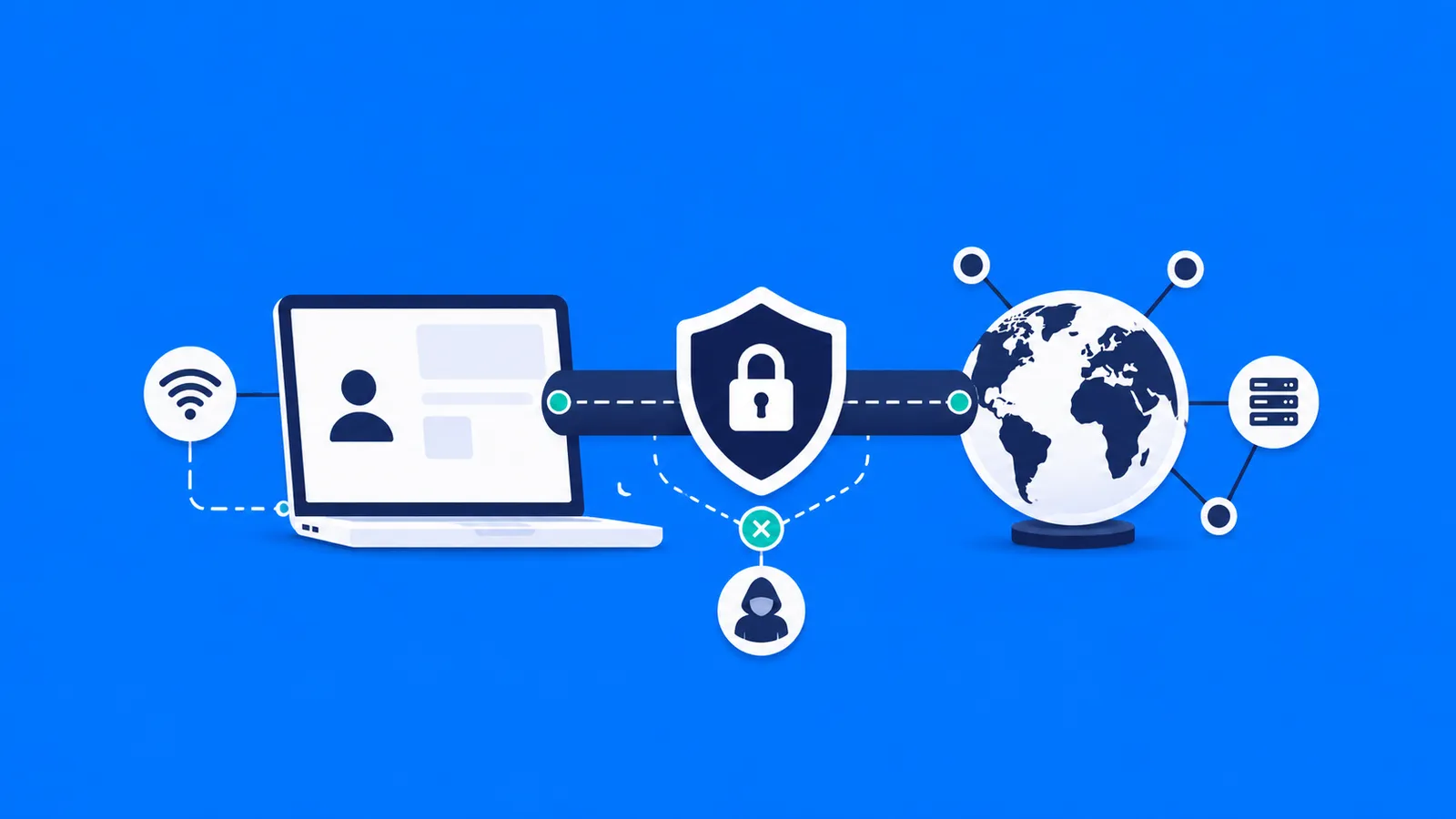
What is a VPN? Is it legal? How does it work? How do you use it? What is the difference between a VPN and private browsing? Discover the basics of what a VPN is through this detailed and straightforward article.
Why Use a VPN?
Using a VPN (Virtual Private Network) is becoming increasingly common and is no longer reserved for a niche of tech-savvy users. Aware of the growing trade in personal data, many consumers have already adopted this technology to protect their private information while browsing online.
But what exactly is a VPN? Is it legal? How does it work? How do you use it? What’s the difference between a VPN and private browsing?
Discover the basics of what a VPN is through this simple and detailed article.
What Is a VPN?
A VPN is literally a “Virtual Private Network.” This network typically takes the form of software that the user can install on their device (computer, smartphone, tablet, etc.).
Once the VPN connection is established, you benefit from an encrypted and more secure internet connection through a new IP address and a wide network of servers around the world.
Types of VPNs
Different types of VPNs exist to meet the varied needs of individuals and professionals.
- Remote access VPNs: Most common for personal use
- Site-to-site VPNs: Used by businesses to connect offices (intranet and extranet VPNs)
This article focuses on remote access VPNs, the type most relevant to everyday users.
Is Using a VPN Legal?
Yes, it is legal in most countries around the world, including the United States, Canada, the European Union, and many parts of Asia.
However, legality can vary depending on how the VPN is used and the country's local laws. While VPNs are generally legal for protecting privacy and securing connections, using them to engage in illegal activities (such as hacking, distributing copyrighted material, or bypassing government censorship) is prohibited.
In some countries like China, Iran, Russia, North Korea, or the UAE, VPN use is either heavily regulated or outright banned. Always check local laws if you’re traveling or operating in a region with internet restrictions.
Important note: Even in countries where VPNs are legal, you are still subject to local laws. A VPN doesn't provide immunity from illegal activity.
Written by
Georgiana Nutas
Building modern web applications at BluDeskSoft. We write about what we learn along the way.

-800x450.webp)
-800x450.webp)