 BluDeskSoft
How We Test UX Before Writing a Single Line of Code (And Why It Pays Off)
Most teams find UX problems too late. Here’s how we test with real users before any code is written.
Georgiana Nutas
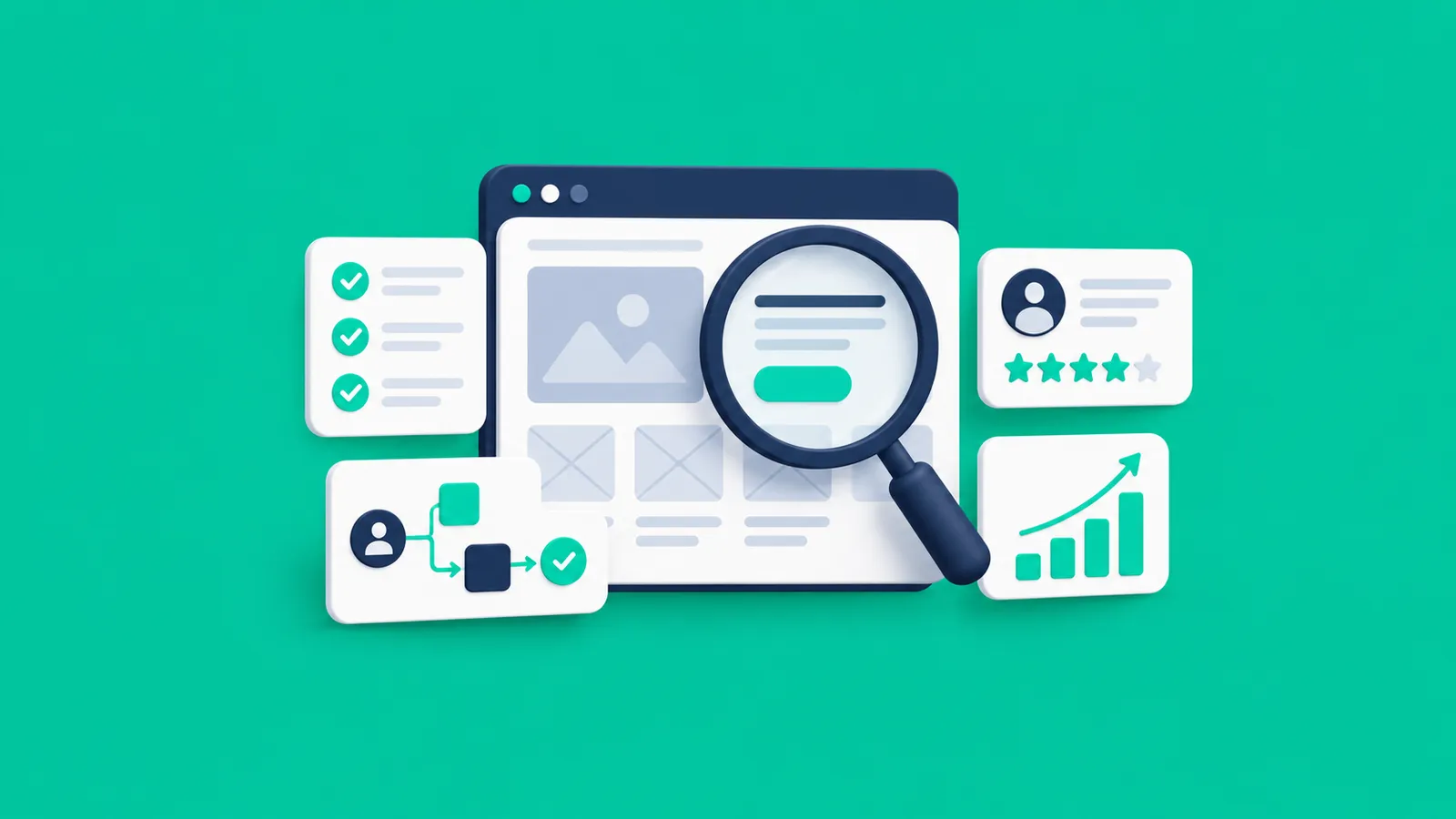
Most software projects follow a familiar path: someone describes an idea, the team designs screens, developers build them, and only then do real users touch the product. By that point, changing direction is expensive. A confusing flow, an unclear label, or a missing step can cost days of development and another round of revisions.
At BluDeskSoft, we try to catch those problems earlier. Before a single line of production code is written, we put clickable prototypes in front of real users and watch what happens. The goal is simple: reduce the risk of building the wrong thing.
This is not a long research phase or a 100-page report. It is a focused step that sits between discovery and development. Discovery clarifies the problem and the requirements. Testing the experience shows whether the proposed solution actually works for the people who will use it.
Why Testing Before Code Is Worth the Time
Changing a button label or reordering a form in Figma takes minutes. Changing the same thing after it's built, tested, and connected to a database can take days. The later you find a usability issue, the more it costs to fix.
We have seen projects where a single unclear step in a multi-step form caused users to abandon the process. The team discovered it only after launch, when support tickets started coming in. A short prototype test would have revealed the problem in the first week.
The same logic applies to internal tools and client portals. Stakeholders often approve designs because they look clean, not because they have tried to complete the actual task. Watching someone struggle with a prototype is more convincing than any presentation slide.
What We Actually Test
We do not test finished visual designs. We test the interaction.
A typical prototype is built in Figma (or a similar tool) and contains the key user flows: signing up, creating a record, completing a booking, submitting a request, or finding information. The prototype is clickable. Users can move through the steps, fill fields, and see what happens next. It does not need real data or backend logic.
We focus on the journeys that matter most for the product. If the core value of the application is “customers can submit and track a request,” that flow gets tested first. Secondary screens can wait.
Before the test, we write a short script with realistic tasks. Instead of asking “Do you like this design?”, we ask users to complete a goal:
Written by
Georgiana Nutas
Building modern web applications at BluDeskSoft. We write about what we learn along the way.
-1-800x450.webp)